It has been more than twenty-five years since that tour in the summer of 2000 that provided the material for the documentary The Earth Will Swallow You, but the Athens, Georgia-based band Widespread Panic is still going strong. The band formed in the 1980s, evolved over time, and put out their first album in 1988. By the 1990s, Widespread Panic was a top draw among Southern jam band and college rock acts.
By the early 2000s, Widespread Panic had played an untold number of shows, not just in the South but around the country, and the bands in their loosely defined, highly eclectic genre were mainstays of outdoor festivals, theater bookings, college bars, and even frat parties around the South: Jupiter Coyote, The Screamin’ Cheetah Wheelies, Dave Matthews Band, Allgood. Centered on a young audience, mostly white, this GenX scene combined the Southern feel of the Allman Brothers, Charlie Daniels, or Little Feat with elements of punk rock defiance, post-hippie vibes, folk and world music, a barroom ethos, and a hardcore do-it-yourself attitude. Most of the groups were road warriors who got little to no radio airplay, and because they were sold at shows, their tapes and CDs were even hard to come by. Few of the groups have maintained long-term, but this sound marks a time and a place for a generation who were teenagers and twenty-somethings in the 1980s and 1990s in the South.
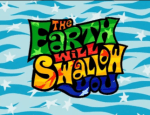 The Earth Will Swallow You shows Widespread Panic right about the time their larger success was kicking in. Though their first album Space Wrangler came out in 1988, it was probably 1994’s Ain’t Life Grand that put them on the map, with the single “Can’t Get High.” By that time, the band had been around for ten years, having come from the same Athens music scene that gave us REM, the B-52s, and Pylon. By the fin de siecle Y2K, the widely popular live group did a homecoming concert in Athens called Panic in the Streets in April 1998, and followed that up with the live album Light Fuse, Get Away. This documentary was filmed not long after that and released in 2002. In it, we see snippets of live shows, interviews with members and friends, and even some little throwbacks to the origin days.
While the historical focus on the South in the last decades of the twentieth century is often on post-Civil Rights politics and the growing evangelical movement, thousands of GenXers had our minds on live music, good times, friends, road trips, classes— just being young. What is interesting to me, thinking about Generation X in the South, is how I remember most of us being politically liberal, pretty open-minded, generally against racism and homophobia, and overall uninhibited about sex and drugs, which is definitely not what the Generation X of the modern South seems to have become. Considering that Xers were Southern voters between ages 30 and 45 in 2010, this group had a lot to do with bringing the Red Wave that engendered then entrenched the Republican supermajorities in the South that are still in place today. Sometime and somehow, the beliefs and narratives that these white Generation X college students seemed to espouse in the 1980s and ’90s clearly and dramatically changed when all those middle-class neo-hippies went home, got jobs, and started families in the 2000s. It’s fair to say that many of us cut off the ponytail, threw out the hemp necklace, put away the hackysack, and embraced something called “traditional values.”
 Nobody's Home